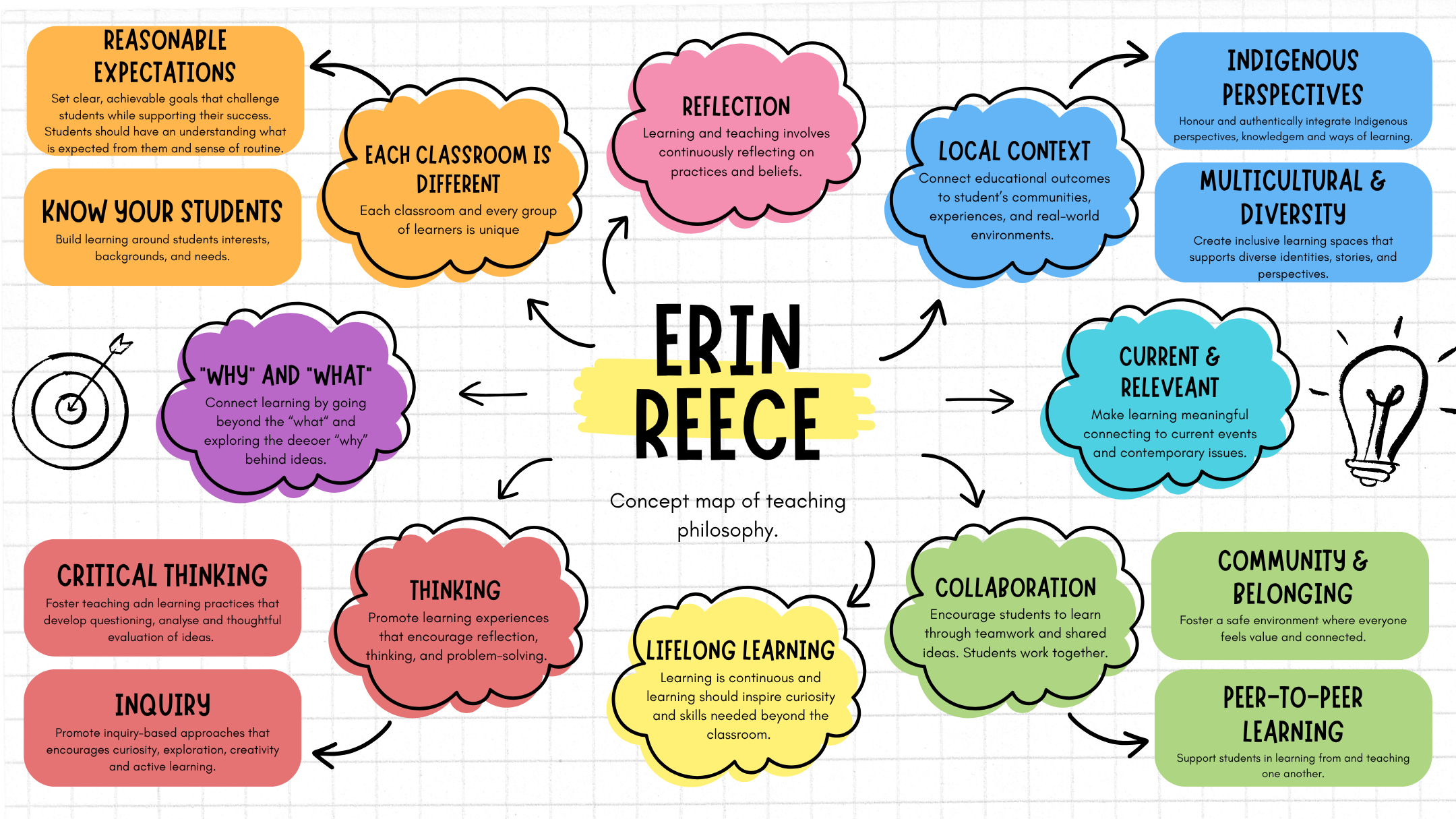
I believe that meaningful learning begins with relationships. Every classroom is unique, and effective teaching requires taking the time to know students, understand their backgrounds, interests, and needs, and create an environment where they feel valued, supported, and challenged. By establishing clear expectations while remaining responsive to individual learners, I strive to create a classroom culture that promotes both belonging and growth. I believe students learn best when they feel safe to take risks, ask questions, and make mistakes, recognising that mistakes are an essential part of the learning process. By viewing challenges and setbacks as opportunities for growth, students can develop confidence, resilience, and a willingness to engage with new ideas.
I view learning as an active, collaborative, and reflective process. Students learn best when they are engaged in meaningful experiences that encourage them to ask questions, think critically, solve problems, and explore multiple perspectives. Through inquiry, discussion, and reflection, students can move beyond simply acquiring knowledge to developing a deeper understanding of why ideas matter and how they connect to the world around them. I aim to create learning experiences that are relevant, purposeful, and connected to real-world issues and experiences.
As an educator, I recognise the importance of connecting learning to students’ communities, experiences, and local environments. I am committed to authentically incorporating Indigenous perspectives, knowledges, and ways of learning while fostering inclusive classrooms that honour diverse identities, cultures, and experiences. I believe that all students should see themselves reflected in their learning and feel respected as members of the classroom community.
Teaching also requires continual growth and reflection. I am committed to examining my own practice, learning from my students and colleagues, and adapting my teaching to better support diverse learners. Education should inspire curiosity and a love of learning that extends beyond the classroom.
Ultimately, I believe education plays an important role in preparing students to become active, informed, and responsible citizens. By fostering critical thinking, respectful dialogue, and evidence-based reasoning, I hope to empower students to question assumptions, critically examine information and authority, and thoughtfully evaluate the systems and institutions that shape society. My goal is to support students in becoming lifelong learners who can think independently, engage with diverse perspectives, and contribute positively to their communities and the wider world.
Indigenising My Practice & Professional Standard #9
BC Professional Standard 9 is not something that can be achieved through a single lesson or activity; rather, it is an ongoing commitment that informs my everyday practice as an educator. I strive to continually learn about Indigenous histories, perspectives, cultures, and ways of knowing while reflecting on how they can be meaningfully and respectfully incorporated into my teaching. Through local community events, place-based and land-based learning experiences, professional development, and ongoing reflection, I seek opportunities to deepen my understanding, challenge my assumptions, and grow as an educator.
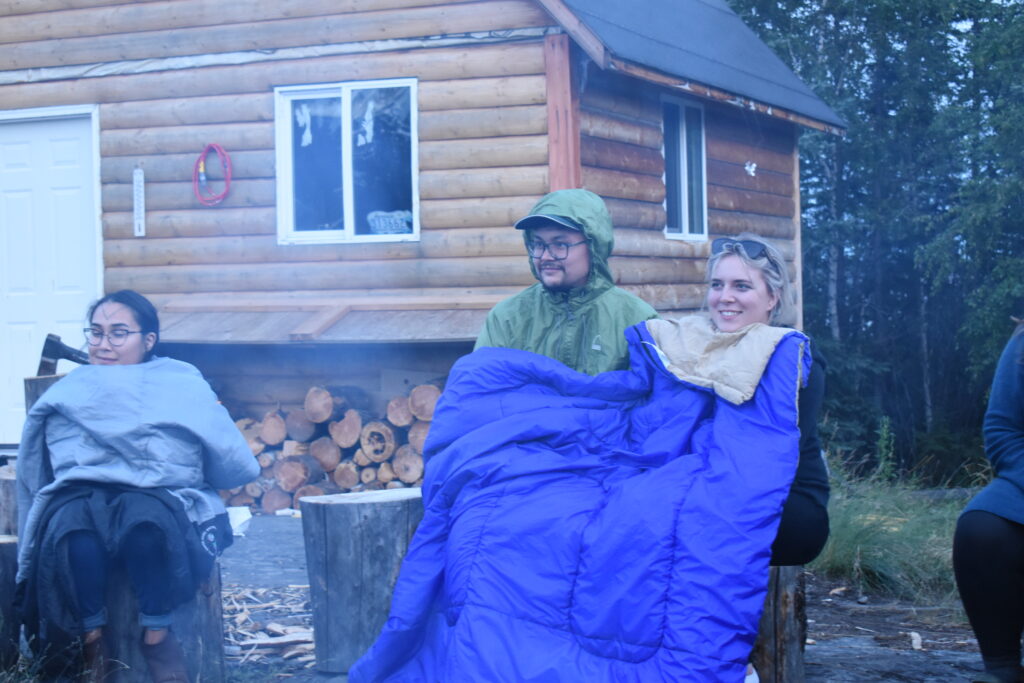
Growing up in the Northwest Territories fostered a strong connection to place and an appreciation for the ways communities, culture, and the land contribute to learning. I am grateful I had the opportunity to learn through Dene Kede, the curriculum framework of the Northwest Territories, and the emphasis it places on relationships, identity, culture, community, and becoming a capable person.
These values continue to influence my approach to education and the type of learning environment I hope to create for students. I continue to seek opportunities to learn from the land, community members, and diverse perspectives. Attending the Young Leaders Summit on Northern Climate Change at Akaitcho Bay (Dettah), Northwest Territories, provided an opportunity to engage in place-based learning while exploring topics related to environmental stewardship and relationships with the land. These experiences continue to deepen my understanding of Indigenous perspectives and support my commitment to BC Professional Standard 9 as I work to respectfully incorporate Indigenous ways of knowing into my teaching practice.
I strive to incorporate Indigenous perspectives throughout my teaching rather than as isolated topics, while encouraging students to engage with local histories, contemporary Indigenous issues, and diverse perspectives. I recognise that indigenising my practice is an ongoing journey of learning, reflection, and relationship-building.